
New Brunswick opens door to fracking again with review of 12-year moratorium
New Brunswick has taken its most significant step in years toward potentially reopening the province to widespread natural-gas development, launching a review of its long-standing moratorium on hydraulic fracturing. Premier Susan Holt says growing economic pressures, rising energy demand and uncertainty in Canada-U.S. trade mean the province needs to reconsider whether the conditions that led to the ban still reflect current technology, science and market conditions.
FREDERICTON — The Liberal government announced Wednesday that it will conduct a five-month review of New Brunswick's restrictions on shale-gas development, with a final decision expected in January 2027. Holt stressed that the review does not amount to an immediate authorization for new drilling, describing it as a process to determine whether natural gas can be developed safely, economically and with sufficient public and Indigenous support. The government says it will provide monthly updates as the review proceeds.
The decision represents a notable change in direction for Holt, who before becoming premier had been critical of efforts to revive shale-gas development and previously described it as a focus on “yesterday's energy.” Her government now argues that circumstances have changed as New Brunswick faces greater economic uncertainty, increased demand for energy and a deteriorating Canada-U.S. trade environment. Holt specifically pointed to the latest round of American tariffs as one reason the province must reconsider potential sources of jobs, investment and government revenue.
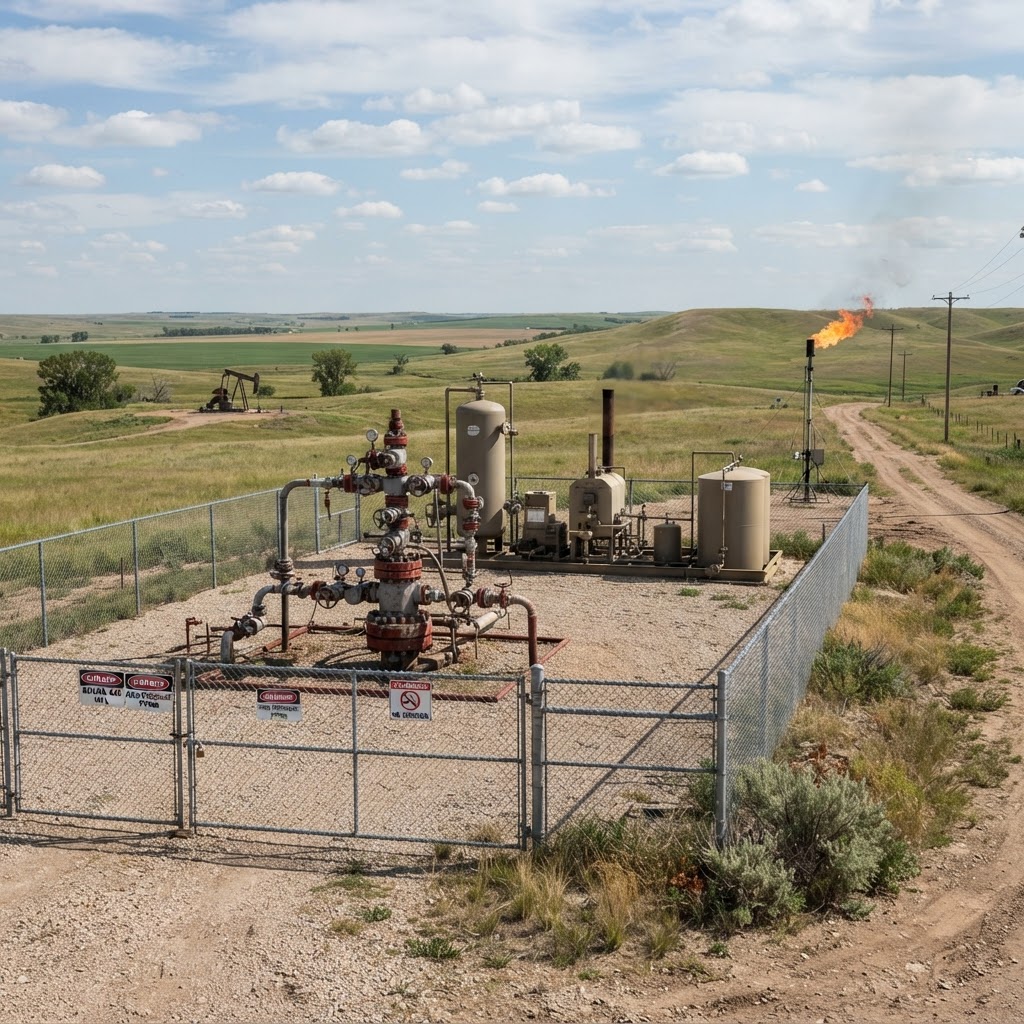
New Brunswick's moratorium dates to 2014, following years of controversy over shale-gas exploration and concerns about groundwater, environmental impacts, public health and relations with First Nations. The restrictions were formalized in provincial regulation in 2015, prohibiting hydraulic fracturing throughout most of the province. The former Progressive Conservative government created an exemption in 2019 covering part of the Sussex region, where natural gas continues to be produced from the McCully field.
The review will examine five broad areas: the rights and priorities of First Nations, the size and nature of New Brunswick's natural-gas resource, advances in extraction technology, potential environmental and health effects, and the economic benefits that could flow from development. It will also measure public support. The province says stakeholder sessions and a public survey will begin this fall, while a technical working group involving First Nations has already been established.
The potential resource is substantial. Government figures cited by The Canadian Press estimate New Brunswick could contain about 77.9 trillion cubic feet of recoverable natural gas, potentially making shale development a significant new industry if commercial production were permitted. Natural Resources Minister John Herron said the province will examine whether improvements in well design, seismic imaging, monitoring, water treatment and other technologies have changed the environmental and economic equation since the moratorium was imposed.
Any return to fracking is likely to face significant opposition. Environmental groups responded immediately to the announcement, arguing that expanding fossil-fuel extraction would conflict with efforts to reduce greenhouse-gas emissions and could expose communities to risks involving water and public health. Green Party Leader David Coon also criticized the government for reopening the issue, while conservation groups are calling instead for additional investment in renewable electricity such as wind and solar power.
Indigenous consultation is also expected to be central to the decision. Opposition to shale-gas exploration contributed to major protests involving Elsipogtog First Nation in 2013, making relations with First Nations one of the most politically sensitive elements of any attempt to restart the industry. Indigenous Affairs Minister Keith Chiasson says the government intends to involve First Nations from the beginning of the review and continue direct government-to-government discussions with chiefs.
For now, the moratorium remains in force outside the existing Sussex-area exemption, and Holt says there are no private-sector projects waiting for immediate approval if the restrictions are eventually removed. But by formally reopening a question that had largely been settled in New Brunswick politics for more than a decade, the Liberal government has put shale gas — and fracking — firmly back on the province's economic and political agenda.
Share this article
Comments (0)
No comments yet. Be the first to share your thoughts!


