
What are Milobar and Paton building — and what was the “Triple O Summit”?
Former B.C. Conservative MLAs Peter Milobar and Ian Paton are moving toward forming a new provincial political party as discontent grows within the province’s centre-right coalition. Their effort follows the so-called “Triple O Summit,” where political and business figures discussed the future of B.C.’s free-enterprise movement and whether a new party is needed.
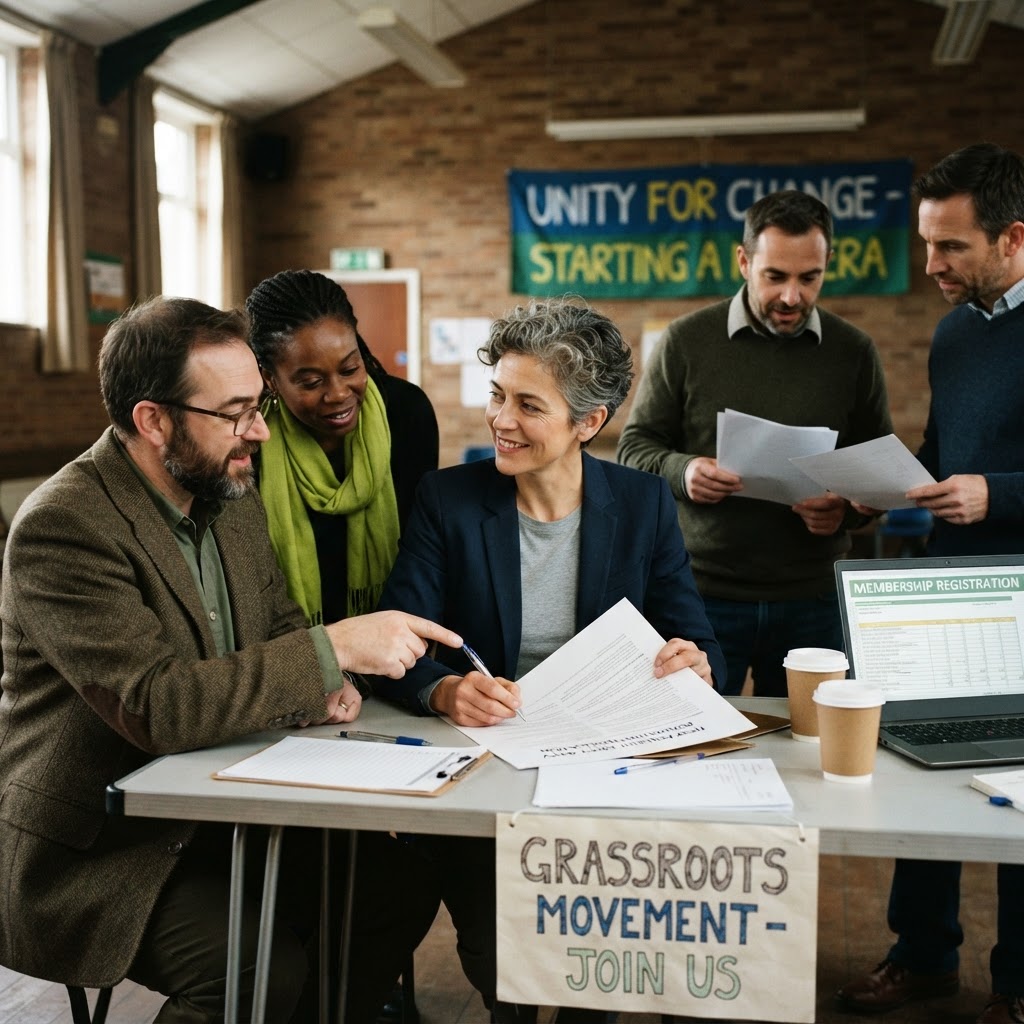
Former B.C. Conservative MLAs Peter Milobar and Ian Paton are moving to create a new provincial political party, potentially giving British Columbia another centre-right option before the legislature returns on Oct. 5. Milobar, the MLA for Kamloops Centre, left the Conservative caucus on Aug. 14, followed by Delta South MLA Paton on Aug. 24. The two say they want to create a home for voters who oppose the NDP but no longer see Kerry-Lynne Findlay’s Conservatives as a viable option, describing the project as a broader, fiscally responsible and pro-enterprise coalition. They have said paperwork is being prepared for Elections BC and that other MLAs could eventually join them.
Their effort comes as a wider discussion about the future of B.C.’s centre-right is taking place outside the legislature. On Wednesday, Aug. 26, roughly five dozen political organizers, business figures and other centre-right participants reportedly gathered in the basement of the White Spot on Dunsmuir Street in downtown Vancouver. The gathering quickly acquired the nickname the “Triple O Summit,” a play on White Spot’s well-known Triple O’s brand. The central question was whether the B.C. Conservatives can still hold together the broad free-enterprise coalition that governed the province for years under the former B.C. Liberal Party, or whether a new political vehicle is needed. The meeting should not, however, be confused with a formal Milobar-Paton party launch: reporting so far suggests it was a broader discussion among centre-right figures about what comes next as the Conservative caucus fractures.
How hard is it to start a political party in B.C.?
Legally, forming a party is relatively straightforward. B.C. does not require thousands of members, riding associations or a petition containing a minimum number of signatures. Elections BC distinguishes between simply creating a political organization and having it formally registered under the Election Act. To register, the organization must have the primary purpose of running candidates for the legislature, select a permissible party name and leader, have at least two principal officers, appoint a financial agent and an auditor, establish its financial accounts and file the required registration documents and statement of assets and liabilities. The party must also provide evidence — such as a constitution, platform or political statement — showing that it genuinely intends to field provincial candidates. Outside an election period, the Chief Electoral Officer generally has up to 30 days to decide on a completed application.
Registration matters because it allows a party to have its name appear beside candidates on ballots, issue political contribution tax receipts, spend money as a political party and transfer funds or services to candidates and constituency associations. There is also a separate and potentially important advantage for Milobar and Paton: B.C. requires only two MLAs for a political party to be recognized in the legislature. Recognized caucuses can receive additional funding for research, communications and parliamentary staff and gain procedural advantages in the House. Because Milobar and Paton already provide those two seats, their proposed party would begin in a very different position from most political start-ups — it could potentially launch with an existing legislative caucus rather than having to win its first seats in an election.
The unanswered question is therefore less whether Milobar and Paton can create a party than whether they can turn it into a credible province-wide organization. They will need a name, leader and platform, but also donors, organizers, riding associations, candidates and a political identity sufficiently distinct from both Findlay’s Conservatives and other centre-oriented parties. The “Triple O Summit” suggests that discussion is now extending well beyond two dissatisfied MLAs: a much larger group of people from B.C.’s former free-enterprise coalition is beginning to ask where it goes next.
Share this article
Comments (0)
No comments yet. Be the first to share your thoughts!


