Tumbling Dice
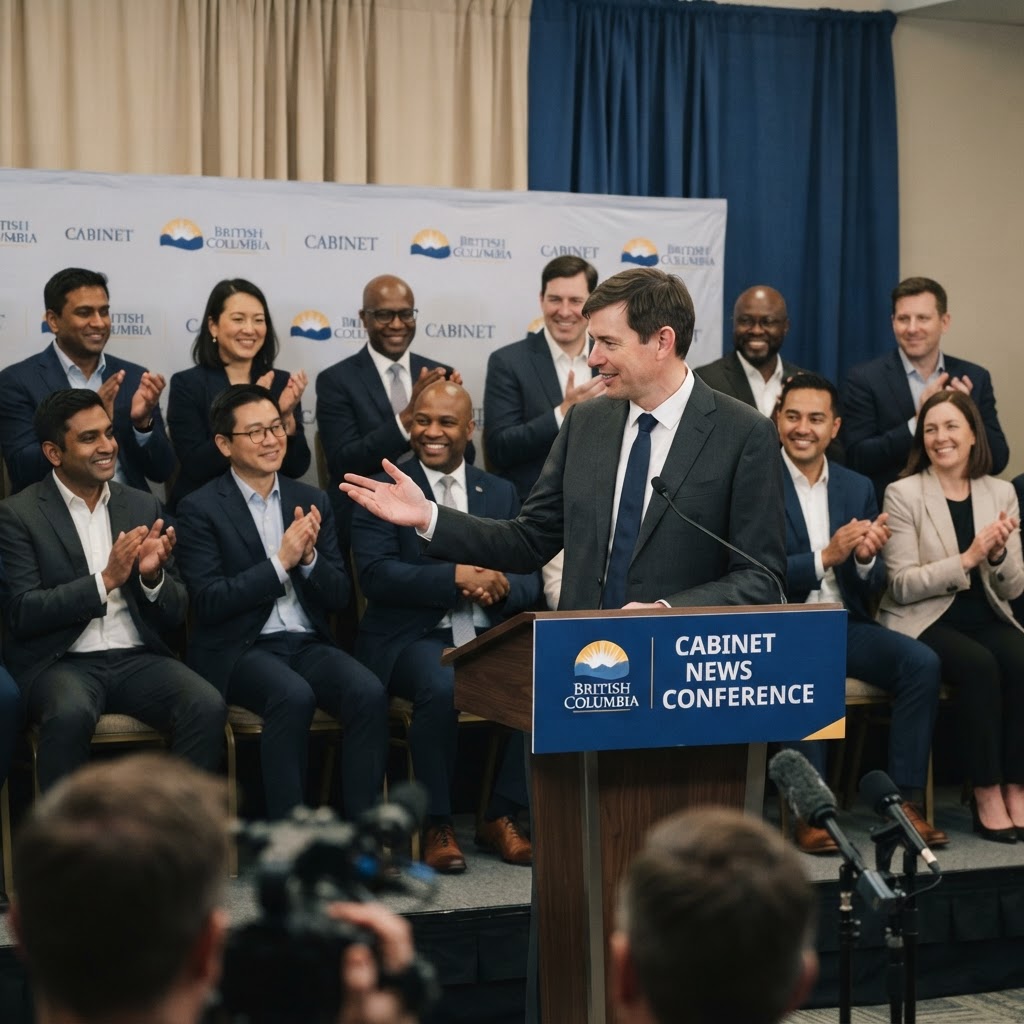
Premier David Eby calls a snap election to capitalize on opposition disarray.
It is often said that opposition parties do not win Canadian elections; the government loses them. Should this not make Premier David Eby pause before calling an unnecessary election, gambling his one-seat legislative majority a full two years ahead of schedule?
What pressing issues are there demanding public input? What reason do the voters have to renew the mandate of a government seeking its fourth consecutive term in office? Is this just another case of cynical opportunism and will voters be motivated to show up?
The Bait
Polling shows the NDP rising as soft support shifts between parties, but this has more to do with the opposition's circular firing squad than with any particular government policy. The opposition Conservatives, apparently desperate to snatch defeat from the jaws of victory, are now rudderless and driven by even more factional anger, thanks to an inability to accept a leadership result earlier this year. The self-decapitated opposition has created an opportune moment for Eby to strike.
The Need
Earlier this year, a political lifetime ago, the NDP experienced significant headwinds. Many of their policies, while popular with their base, angered a significant portion of the broader electorate. The Declaration on the Rights of Indigenous Peoples Act (DRIPA) implementation and public land transfers to First Nations drove the Conservatives up the opinion polls even when they had no leader as Premier-in-waiting. And just a few weeks ago, a budgeting error overestimated the royalty revenues the Province will receive from natural gas extraction.
More importantly, David Eby deals with a fractured caucus of his own. Realizing that BC courts were seriously enforcing DRIPA implementation legislation and seriously reducing his government's power to enact its public agenda, Eby tried to change the legislation. A symbolic gesture of reconciliation, worded as law, would be reframed to emphasize symbol over substance. NDP backbenchers rebelled, and the Premier's threat of a confidence vote did not whip the votes into compliance. Activist MLAs do not abandon their principles simply because their seats are threatened.
Facing the fall of his own government and rumblings of discontent about his leadership, Eby caved. Party leaders can have short lives in the circus of BC politics, increasing the likelihood of snap elections to retain leadership in the face of an unruly caucus. It’s an advantage Premiers have over Opposition Leaders. Gambling early and losing, well, Eby can walk away, but winning means four more years of power. With luck, a few extra NDP MLAs will increase the Premier's wiggle room within his own caucus, so the personal cost/benefit analysis is easy.
The Jim Prentice Experience
Canadians should remember recent Alberta history where another Premier lost a majority government in a snap election. The story is very similar: a lead in the polls, an opportunistic early election call, an opposition reduced to rubble, and a Premier with baggage. Jim Prentice called the election after an unpopular budget and with little opposition, expecting an easy majority win. But something funny happened on the way to the polls: an unknown leader emerged, Rachel Notley, to challenge the arrogance of power. In a change of election after years of dynastic rule, voters propelled the NDP to power in a province where they usually clung to single-seat representation in the legislature. Elections matter, and the Prentice PCs, those past masters of scripting outcomes, would later blame their loss on that most capricious of beasts: the vaunted vote split. That story does a great disservice to Premier Notley’s campaign organization and political skills because people sometimes delay their choice until the ballot is in hand. You may not like to hear it, but Notley kicked ass, and she won. The math really was not that hard.
The Die is Cast
In Election campaigns, like wars, the opposition gets a vote on how they end. Not every variable is controllable, and in BC this time, almost no variables have been accounted for. This is Eby’s election. He called it the best moment for himself, and now his party has to win it. If the NDP cannot make the case for four more years and a fourth term in office, the voters will find an alternative. Maybe someone completely new will rise to the occasion. It’s happened before.
British Columbians will choose their next government on Oct 24th, 2026.
Share this article
Comments (0)
No comments yet. Be the first to share your thoughts!