20 articles found
The Alberta and Ontario premiers are sharing a Calgary stage to discuss how Canadian resources can reach domestic and overseas customers amid trade conflict and global supply disruptions.
The Opposition wants Alberta’s new voter-list regulation struck down, arguing that parties need detailed information to scrutinize the Oct. 19 referendum and guard against voting irregularities.
A new provincewide poll places the UCP and NDP in a tie, suggesting Alberta’s political landscape has tightened following the opposition’s Calgary-Shaw byelection victory.
Alberta’s referendum has generated more than 509,000 mail-ballot requests, but Elections Alberta remains roughly 12,000 workers short for the province’s largest-ever hand count.
Alberta’s NDP captured Calgary-Shaw by 582 votes, prompting competing claims that conservative vote splitting, the separation referendum and dissatisfaction with provincial services contributed to the UCP defeat.
Alberta, Saskatchewan and the Northwest Territories will collaborate on nuclear technology and electricity interties under a new agreement that could reshape Western Canada’s power system. The pact establishes a planning framework, but does not approve a reactor, select a site or commit construction funding.
Voters in Calgary-Shaw are choosing among five candidates in a provincial byelection that will test the governing UCP’s support ahead of Alberta’s October referendum.
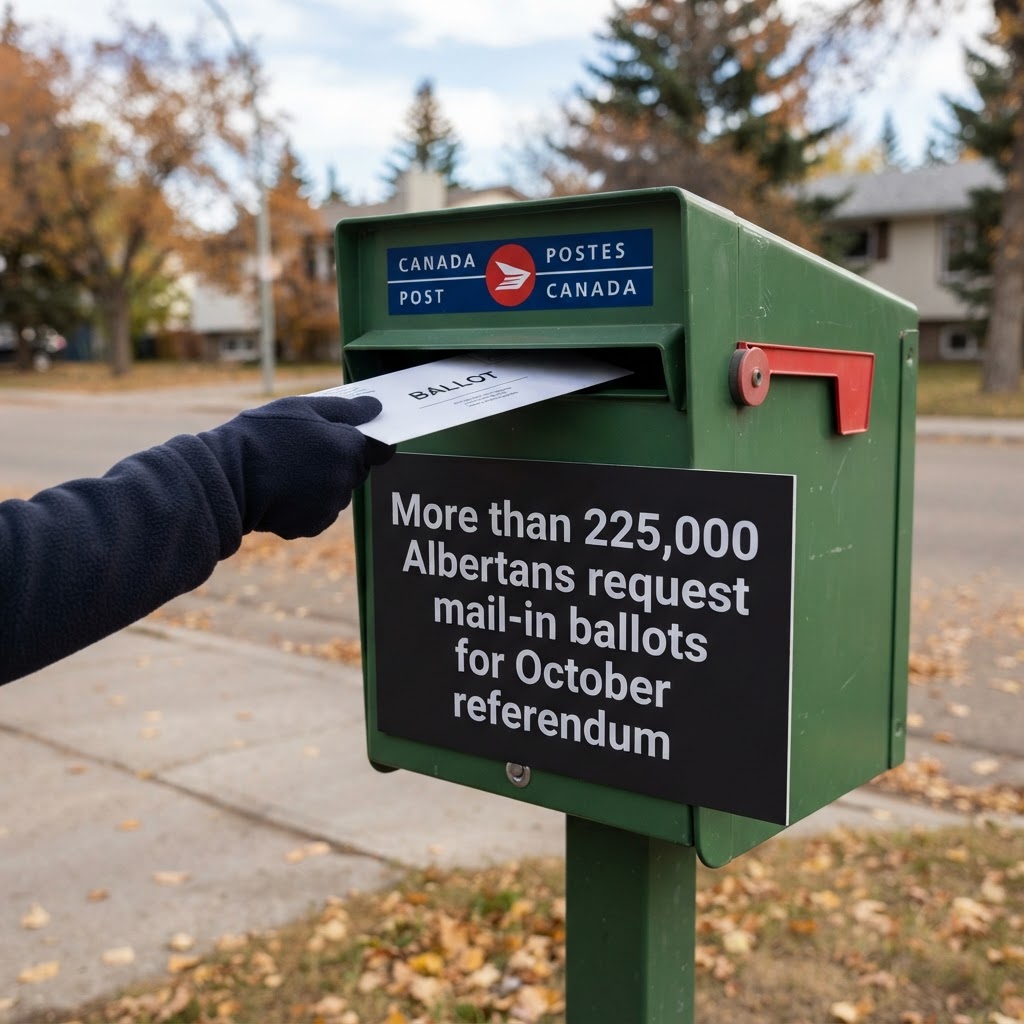
Elections Alberta is mailing referendum ballots to more than 225,000 applicants as voters prepare to answer 10 questions on immigration, constitutional reform and separation.
Alberta’s dual-practice law is now in force, allowing approved specialists to work in both public and private surgery systems—but privately paid procedures have not yet begun.
Alberta is now forecasting a $2-billion surplus for 2026-27, just six months after the provincial government projected a $9.4-billion deficit. The dramatic $11.4-billion improvement is being driven overwhelmingly by higher oil and gas revenues, illustrating once again how quickly Alberta’s finances can change alongside global energy markets.
Elections Alberta remains well short of its applicant target for the province’s unprecedented 10-question referendum. The agency must recruit, screen and train tens of thousands of workers before voting and a two-day hand count begin in October.
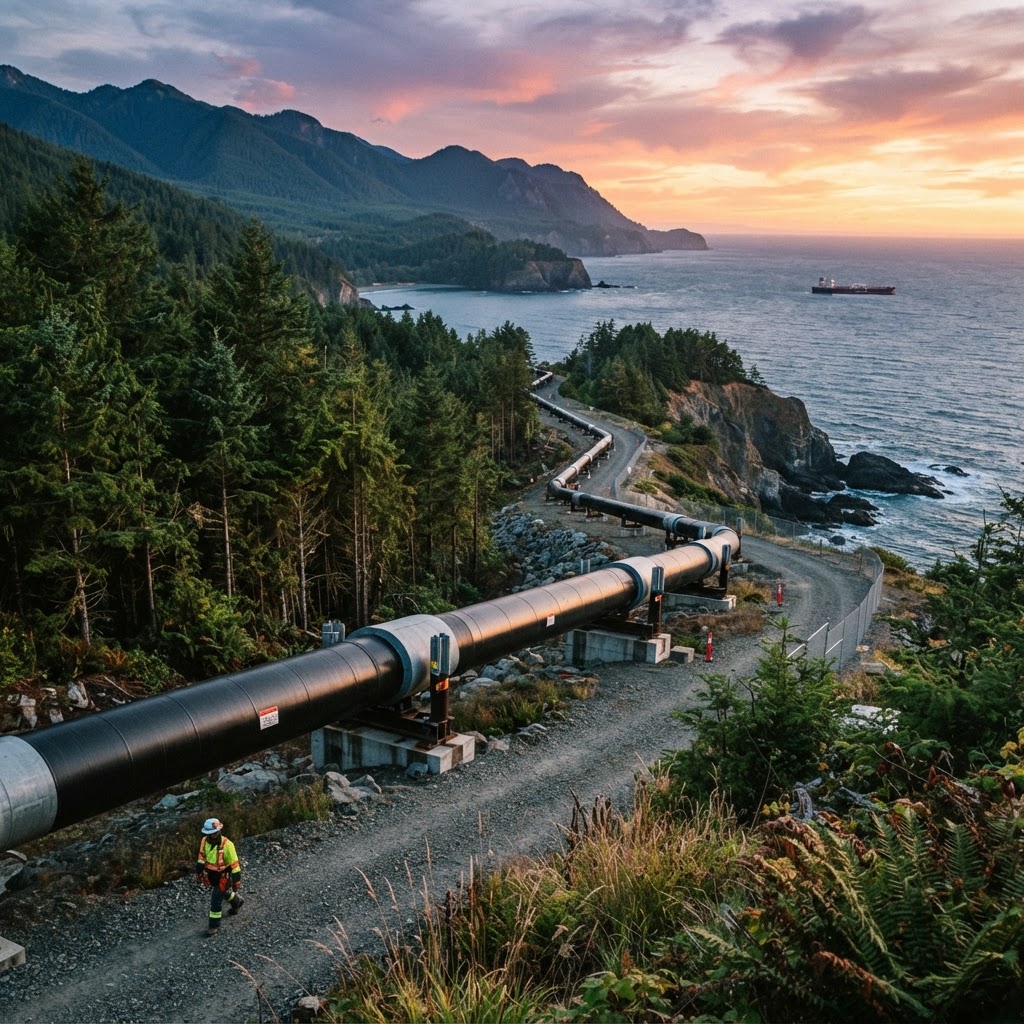
Recent announcement in the Canada Gazette indicates Federal Government is serious about designation the West Coast Pipeline project as in the national interest.
Four organizations will share a total of $60 million over four years for integrated primary care and social supports.
Canadians have until September 18 to comment on whether the proposed West Coast oil pipeline should receive an accelerated federal review.
Alberta’s latest financial update points toward a potential budget surplus by 2026, driven by fiscal discipline and resource projections, though officials caution that global economic instability and fluctuating oil prices remain significant hurdles.
In November 2025, Ottawa and Alberta signed a memorandum of understanding promising a new West Coast oil pipeline that would be "financed and constructed by the private sector." Eight months later, that promise is gone.
Danielle Smith may be the world’s worst separatist because her entire political strategy hinges on keeping Alberta strong and prosperous within Canada. By setting political stripes aside to work with Prime Minister Mark Carney on pipelines, investment, and national economic growth, Smith has turned separatist pressure into leverage aimed at making Confederation work again.